Handling
Storing and handling sealed vials
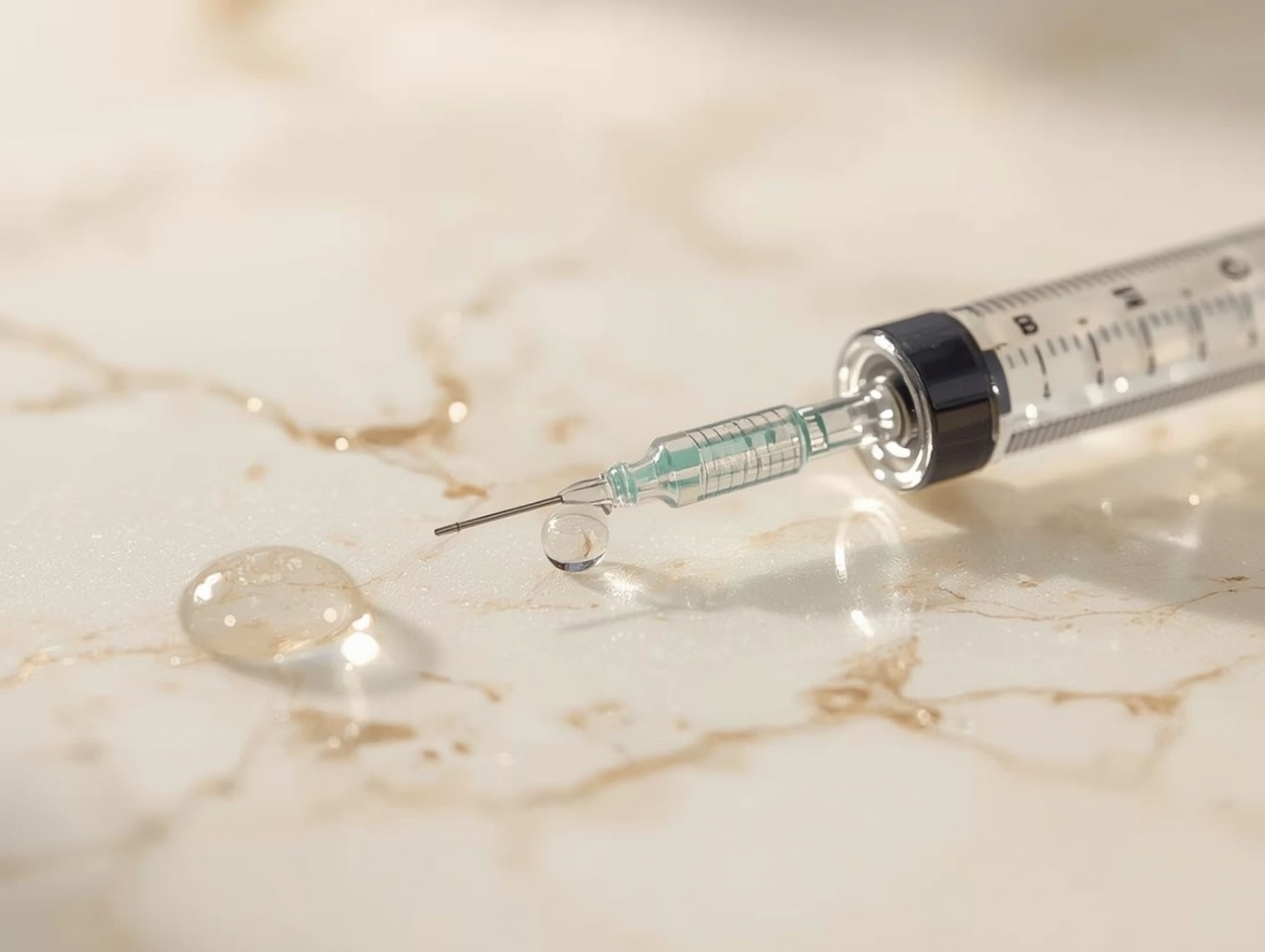
A sealed glass vial of bacteriostatic water is a stable, low-maintenance research supply, but a few basics keep it that way for the length of a project rather than just the first draw.
Before opening
Store sealed vials at controlled room temperature, out of direct sunlight and away from heat sources. There is no need for refrigeration or any cold chain for this kind of preserved diluent; a stable indoor storage location is sufficient. Check that the seal and stopper are intact before first use, and avoid storing vials anywhere they could be knocked over or exposed to temperature swings, such as a windowsill or a vehicle.
After opening
The bacteriostatic preservative extends how long an opened vial stays usable, but it is not a substitute for basic aseptic technique. Wipe the stopper with an alcohol swab before each draw, use a new sterile needle for every access rather than reusing one, and avoid letting the needle tip touch any non-sterile surface. Between draws, keep the vial sealed and stored the same way as before opening.
Signs a vial should be discarded
Discard a vial if the solution appears cloudy, discolored, or contains visible particulate, or if the seal was ever compromised before intended use. These are general signs that a solution should no longer be considered reliable for laboratory use, regardless of how long it has been open.
For the preservative and preparation details behind Reconstitution Solution specifically, see our note on benzyl alcohol or the product page.
For research use only. Not for human or veterinary use. Not a drug or medical device. This article is general laboratory handling information, not usage or dosing guidance for people or animals.